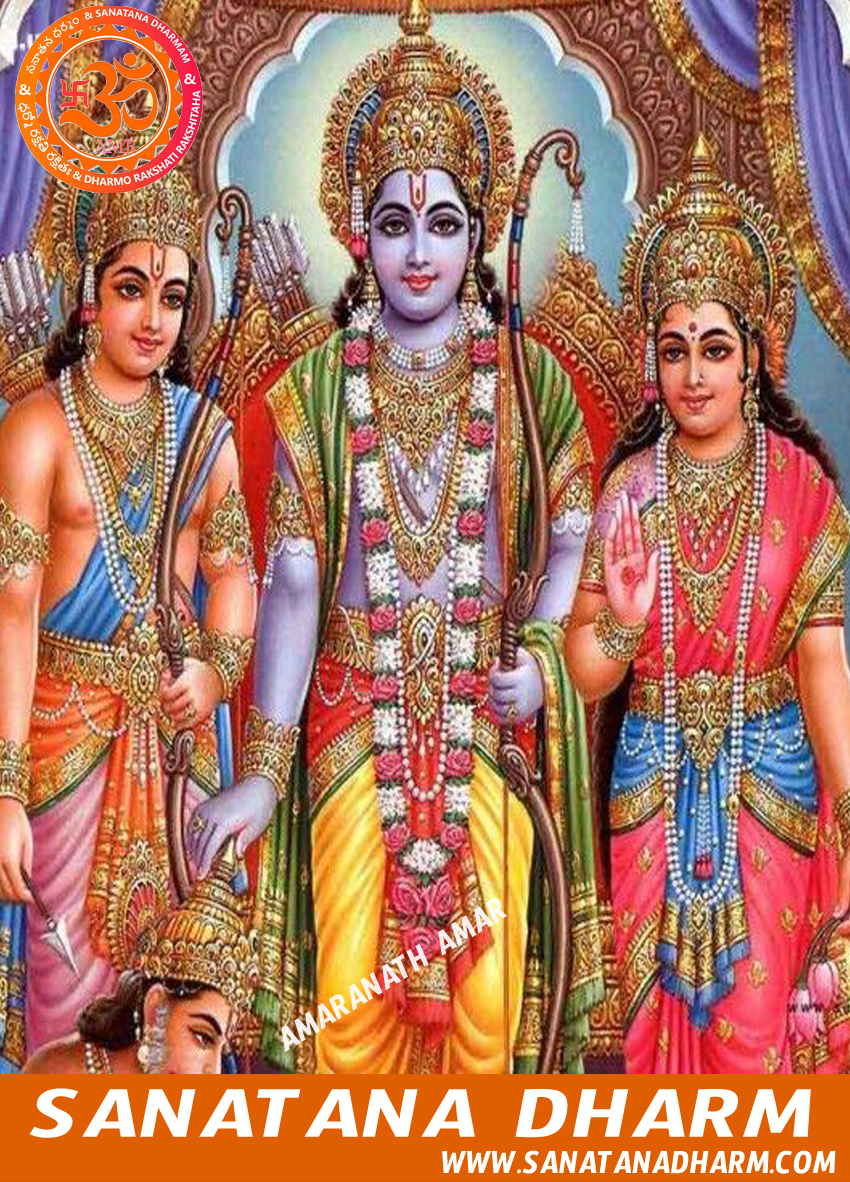
After Rama left, king Dasaratha called for his family priest Vasishta and spoke to him as follows about the ensuing anointment ceremony of the next day.
राजा दशरथ ने राम को अगले दिन होने वाले राज्याभिषेक के बारे में बताया और फिर पुरोहित वसिष्ठ को बुलाकर उनसे यह कहा।
"O, great sage Vasishta! Please go to the avowed Rama and Seetha today to make them perform fasting for obtaining prosperity, glory and sovereignty."
हे तपोधन, श्री, यश, राज्य और लाभ की प्राप्ति के लिए, वधू के साथ व्रत धारण कर काकुत्स्थ (राम) का उपवास करें।
Ayodhya Kanda – Sarga 5 · v3
तथेति च स राजानमुक्त्वा वेदविदां वरः |
स्वयं वसिष्ठो भगवान् ययौ रामनिवेशनम् || २-५-३
उपवासयितुं रामं मन्त्रवन्मन्त्रकोविदः |
ब्राह्मं रथवरं युक्तमास्थाय सुदृधव्रतः || २-५-४
Vasista, who is the best of knowers of Veda, who is expert in mantras, who is firm in austerities and who is divine, said to Dasaratha : "I agree to it" and personally went to Rama's house on a chariot which was ready and quite suitable for a Brahman; so as to advise Rama to undertake a fast (with mantras) performed by Rama, a knower of mantras.
वसिष्ठ जी, जो वेदों के ज्ञाता और मंत्रों के विशेषज्ञ थे, राजा से वैसा ही कहकर, दृढ़ व्रत का पालन करते हुए, मंत्रों के ज्ञाता होने के कारण, राम को उपवास कराने के लिए, उत्तम रथ पर सवार होकर राम के निवास स्थान पर गए।
Ayodhya Kanda – Sarga 5 · v4
स रामभवनं प्रप्य पाण्डुराभ्रघनप्रभम् |
तिस्रः कक्ष्या र्थेनैव विवेश मुनिसत्तमः || २-५-५
That great sage reached Rama's house, which was radiant like a dense white cloud and entered the three gateways of the house by the chariot itself.
श्रीराम के भवन में पहुँचकर, जो श्वेत मेघों के समान उज्ज्वल था, मुनिश्रेष्ठ ने केवल एक ही बार में तीन कक्षों को पार कर लिया।
Rama quickly got nearer to Vasishta's chariot and personally helped him to alight from the chariot.
बुद्धिमान व्यक्ति रथ के पास आकर शीघ्रता से उतर गया। फिर उसने स्वयं रथ से उतरकर उसे पकड़ लिया।
Ayodhya Kanda – Sarga 5 · v7
सचैनं प्रश्रितं दृष्ट्वा सं भाष्याभिप्रसाद्य च | प्रियार्हं हर्षयन् राममित्युवाच पुरोहितः || २-५-८
That family priest Vasishta seeing that lovable and humble Rama, spoke the following words, bringing cheerfulness and happiness to him:
यह श्लोक वशिष्ठ मुनि के राम के प्रति कहे गए वचनों का वर्णन करता है। सरल हिंदी अनुवाद: राम को प्रसन्न और विनम्र देखकर, पुरोहित वशिष्ठ ने उनसे प्रेमपूर्वक बात की और उन्हें आनंदित करते हुए कहा।
Ayodhya Kanda – Sarga 5 · v8
प्रसन्नस्ते पिता राम यौवराज्यमवाप्स्यसि | उपवासं भवानद्य करोतु सह सीतया || २-५-९
"O, Rama! Your father is delighted with you. You will be getting the princely kingdom. Hence, you and Seetha perform fasting today."
हे राम, तुम्हारे पिता प्रसन्न हैं और तुम्हें युवराज पद मिलेगा। आज तुम सीता के साथ उपवास करो।
Ayodhya Kanda – Sarga 5 · v9
प्रातस्त्वामभिषेक्ता हि यौवराज्ये नराधिपः | पिता दशरथः प्रीत्या ययातिं नहुषो यथा || २-५-१०
"Your father; King Dasaratha is anointing you affectionately for the princely kingdom tomorrow at dawn; even as king Nahusha has done to Yayati".
प्रातःकाल में राजा दशरथ ने प्रीतिपूर्वक तुम्हें युवराज पद पर अभिषिक्त किया, जैसे ययाति को नहुष ने किया था।
Ayodhya Kanda – Sarga 5 · v10
इत्युक्त्वा स तदा राम मुपवासं यतव्रतम् | मन्त्रवत् कारयामास वैदेह्या सहितं मुनिः || २-५-११
Vasistha thus spoke to Rama and enjoined him to undertake a vow of fasting together with Seetha, in the accompaniment of mantras.
यह कहकर, उस तपस्वी मुनि ने तब राम को, वैदेही के साथ, व्रत धारण कर उपवास करवाया।
Ayodhya Kanda – Sarga 5 · v11
ततो यथावद्रामेण स राज्ञो गुरुरर्चितः | अभ्यनुज्ञाप्य काकुत्थ्सं ययौ रामनिवेशनात् || २-५-१२
Thereafter, Rama worshipped the royal priest Vasistha suitably. Vasistha then got Rama's permission and left his house.
तब श्री राम ने उस राजा के गुरु का विधिवत सत्कार किया। फिर काकुत्स्थ (श्री राम) से आज्ञा लेकर वे राम के निवास से चले गए।
Rama spent some time by delightedly talking with friends and having been congratulated by them in various ways went into his palace after taking leave of them.
राम अपने प्रिय मित्रों के साथ वहाँ बैठे थे। फिर उन्होंने सबको विदा किया और सभा में प्रवेश किया।
Then, Rama's house was shining, as brilliantly with delighted men and women, as a lake filled with opened lotuses and visited by innumerable happy birds.
यह श्लोक कहता है कि उस समय राम का महल, जिसमें प्रसन्न नारियाँ और पुरुष थे, ऐसे सुशोभित हो रहा था, जैसे मतवाले पक्षियों से भरा और खिले हुए कमलों वाला तालाब शोभा पाता है।
Ayodhya Kanda – Sarga 5 · v14
स राजभवनप्रख्यात्तस्माद्रामनिवेशनात् | निर्गत्य ददृशे मार्गं वसिष्ठो जनसंवृतम् || २-५-१५
Vasishta, leaving Rama's house, which seemed like the royal palace, saw the way filled with people.
राजा के महल जैसे प्रसिद्ध उस राम के निवास से निकलकर वसिष्ठ ने लोगों से भरी सड़क देखी।
Then, on the royal road, the resonance created by the rush of the people, moving hither and thither like waves, combined with their rejoicing, resounded like the roar of an ocean.
जब लोगों की भीड़ का शोर समुद्र की लहरों के टकराने की ध्वनि जैसा हो गया, तब उस राजपथ का शोर भी समुद्र की गर्जना जैसा हो गया।
Ayodhya Kanda – Sarga 5 · v17
सिक्तसंमृष्टरथ्या हि तदहर्वनमालिनी | आसीदयोध्या नगरी समुच्छ्रितगृहध्वजा || २-५-१८
On that day, in the city of Ayodhya, all the roads were cleaned and sprinkled with water. There were rows of trees on both sides of the roads and flags hoisted on houses.
उस दिन अयोध्या नगरी को फूलों की मालाओं से सजाया गया था, जैसे कि सड़कों को जल से सींचा और साफ किया गया हो, और ऊँचे-ऊँचे घरों पर ध्वजाएँ फहरा रही थीं।
Then, the people of Ayodhya including children, women and the old-aged were waiting for sunrise, wishing the anointment ceremony of Rama to happen.
जब अयोध्या के निवासी स्त्री, बालक और बलवान लोग राम के राज्याभिषेक की इच्छा कर रहे थे, तब वे सूर्य के उदय की भी प्रतीक्षा नहीं कर रहे थे। वे राम के राज्याभिषेक को सूर्योदय से भी अधिक महत्वपूर्ण मान रहे थे।
Ayodhya Kanda – Sarga 5 · v19
प्रजालङ्कारभूतं च जनस्यानन्दवर्धनम् | उत्सुकोऽभूज्जनो द्रष्टुं तमयोध्यामहोत्सवम् || २-५-२०
In Ayodhya, people were enthusiastic to see the great public function, which was decorative to the community and which would bring forward an increased joy.
यह श्लोक कहता है कि अयोध्या का उत्सव, जो लोगों के लिए अलंकार और आनंद बढ़ाने वाला था, उसे देखने के लिए लोग बहुत उत्सुक थे।
Ayodhya Kanda – Sarga 5 · v20
एवं तं जनसंबाधं राजमार्गं पुरोहितः | व्यूहन्निव जनौघं तं शनैराजकुलं ययौ || २-५-२१
Vasishta, thus seeing the king's way being overcrowded with people, reached the royal palace slowly by forcing a passage through that crowd.
पुरोहित ने लोगों की भीड़ से भरे उस राजपथ पर, जैसे सेना को व्यूह रचना सिखाते हुए, धीरे-धीरे राजमहल की ओर प्रस्थान किया।
He walked up the royal palace, which was akin to the top of a mountain enclosed by a white cloud and met king Dasaratha in the manner Brihaspati met Devendra.
वह व्यक्ति, जो सफेद बादल के शिखर के समान ऊँचे महल पर चढ़ा, राजा के पास उसी प्रकार पहुँचा, जैसे बृहस्पति इंद्र के पास पहुँचते हैं।
Ayodhya Kanda – Sarga 5 · v22
तमागतमभिप्रेक्ष्य हित्वा राजासनं नृपः | पप्रच्छ स च तस्मै तत्कृतमित्यभ्यवेदयत् || २-५-२३
Seeing Vasistha had returned, King Dasaratha alighted from his throne and asked him with regard to his mission. Vasistha informed him that it was accomplished.
राजा ने उसे आते देखकर अपना राजसिंहासन छोड़ दिया और उससे पूछा। उसने उसे बताया कि यह उसी के द्वारा किया गया है।
The members of assembly who were sitting along with the king till then, raised in obeisance to Vasishta from their seats, following the example of the king.
उस समय, उनके साथ बैठे हुए सभासदों ने भी पुरोहित का आदर करते हुए अपनी आसनों से उठकर उनका स्वागत किया।
Ayodhya Kanda – Sarga 5 · v24
गुरुणा त्वभ्यनुज्ञातो मनिजौघं विसृज्य तम् |
विवेशान्तःपुरं राजा सिंहो गिरिगुहामिव || २-५-२५
King Dasaratha, after obtaining permission from Vasishta, left that assembly of men and entered his palace as a lion enters a mountain cave.
राजा गुरु की आज्ञा पाकर, अपने मणियों के समूह को छोड़कर, उस गुफा में घुसे, जैसे सिंह पर्वत की गुफा में प्रवेश करता है।
That palace with women in top dress and form was like the palace of Devendra. By the entering of King Dasaratha, the palace became more radiant, just as the moon radiates a beautiful sky with its stars.
वह राजा, जो अत्यंत सुंदर स्त्रियों से भरा था और इंद्र के महल जैसा प्रतीत हो रहा था, उस भवन में ऐसे प्रवेश किया जैसे चंद्रमा तारों से भरे आकाश में प्रवेश करता है।